
Planning
Court Surfaces Explained: Acrylic, Concrete, Asphalt and Tiles
What is a sport court actually made of? Here is how acrylic coatings, concrete and asphalt bases and modular tiles compare for outdoor courts in Texas.
6 min read
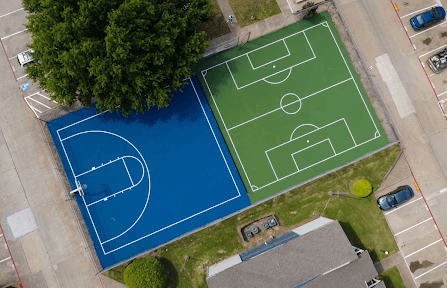
When people ask what a court is made of, the answer has two parts: the base underneath and the surface you play on. Both affect how the court plays, how long it lasts and how much maintenance it needs.
The base: concrete or asphalt
Concrete
Strong and long-lasting when built with proper reinforcement and drainage
Post-tensioned concrete is designed to resist cracking, which helps on the expansive clay soils common across Dallas-Fort Worth
Higher upfront cost than asphalt in many cases
Asphalt
Often lower upfront cost
More flexible, but more prone to cracking over time, especially with heat and soil movement
Usually needs crack repair and resurfacing more often
The playing surface options
Acrylic coatings
Acrylic is the most common finish for outdoor tennis and pickleball courts. It is applied in layers over concrete or asphalt and includes sand for texture and grip.
Consistent ball bounce and reliable traction
Wide range of colors
Used on professional and recreational courts
Needs periodic resurfacing, typically every 4 to 8 years
Cushioned acrylic
Some systems add rubberized cushion layers under the color coats. They feel softer underfoot, which some players prefer for joints, but they cost more.
Modular sport court tiles
Interlocking plastic tiles snap together on top of a concrete or asphalt base.
Quick to install and easy to replace individual tiles
Drain through the tile surface
Different ball response and feel than acrylic, which some pickleball and tennis players notice
Can shift or fade over time in strong sun
Bare concrete
Plain concrete works for casual basketball, but it is harder on the body, can get slick when dusty or wet, and lacks the color and markings of a finished court.
Which surface is right for you?
Pickleball and tennis: acrylic over a well-built concrete base is the standard for consistent play.
Basketball: acrylic or tiles both work well. Acrylic gives a cleaner look and smoother feel.
Multi-sport courts: acrylic makes it easy to paint lines for several sports in different colors.
The Texas factor
North Texas heat, sun and shifting clay soil are hard on courts. A strong base with good drainage matters more here than almost anywhere. Lighter surface colors also stay a little cooler in summer sun.
Not sure which option fits your project? Talk to our team or learn about our pickleball, tennis and basketball courts.
We design, build, repair, resurface and clean pickleball, tennis, basketball and multi-sport courts for homes, schools and clubs across Dallas Fort Worth. Have a question about your court? Ask us for a free quote.
Planning
Backyard Basketball Court Guide: Half Court Sizes and Planning Tips
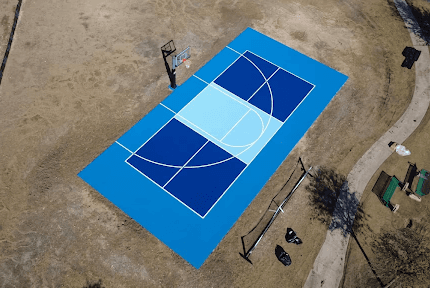
Thinking about a basketball court at home? Here are common half court sizes, regulation dimensions and the planning details that make a backyard court work.
6 min read
Planning
Tennis and Pickleball Court Lighting: A Homeowner's Guide
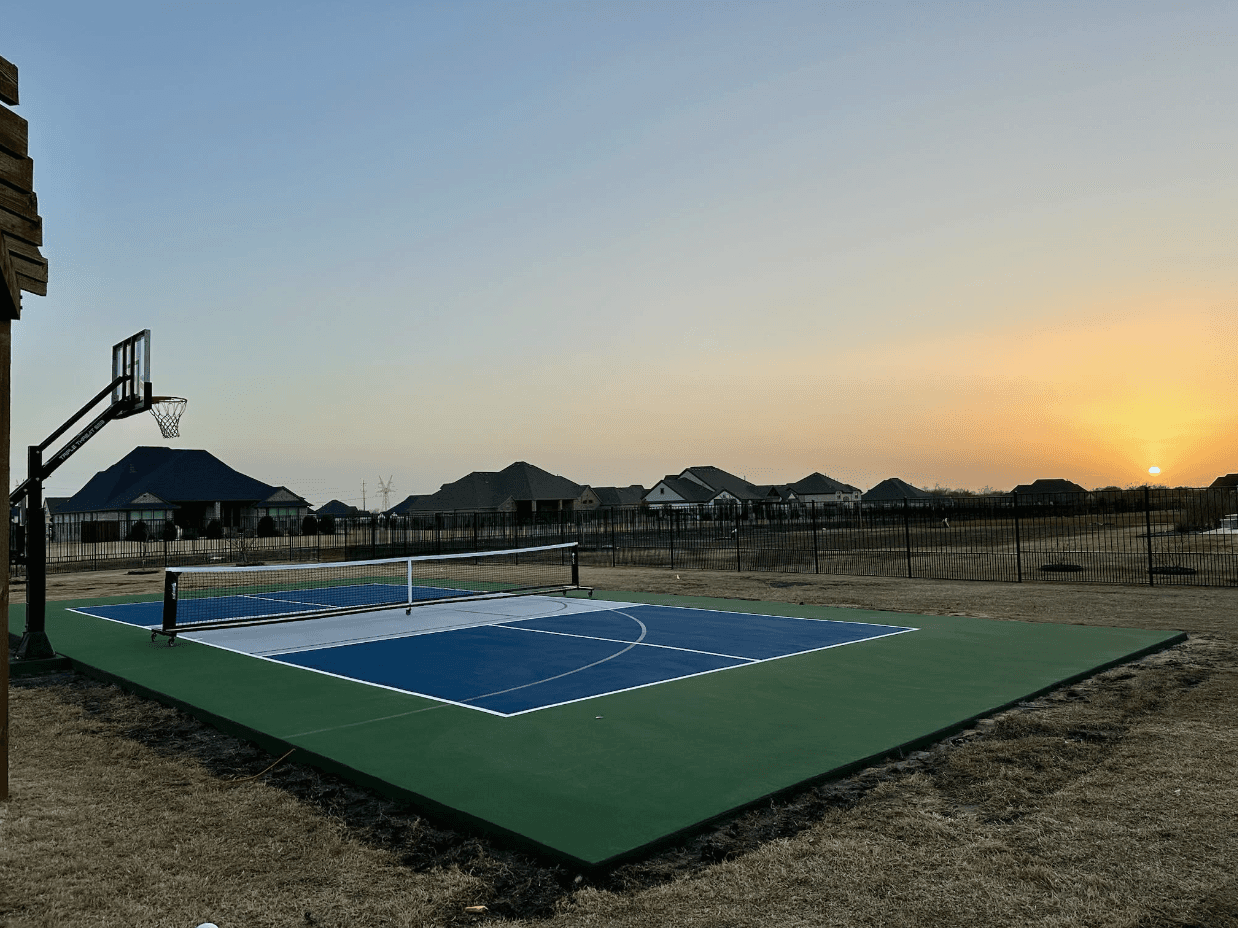
Court lighting lets you play after work and on cooler summer nights. Here is what to know about fixtures, placement, neighbors and local rules before you add lights.
5 min read

Planning
How to Choose Court Colors for Pickleball, Tennis and Basketball
Court colors affect how your court looks, how well you can see the ball and how hot the surface gets. Here is how to pick a combination you will love.
5 min read